

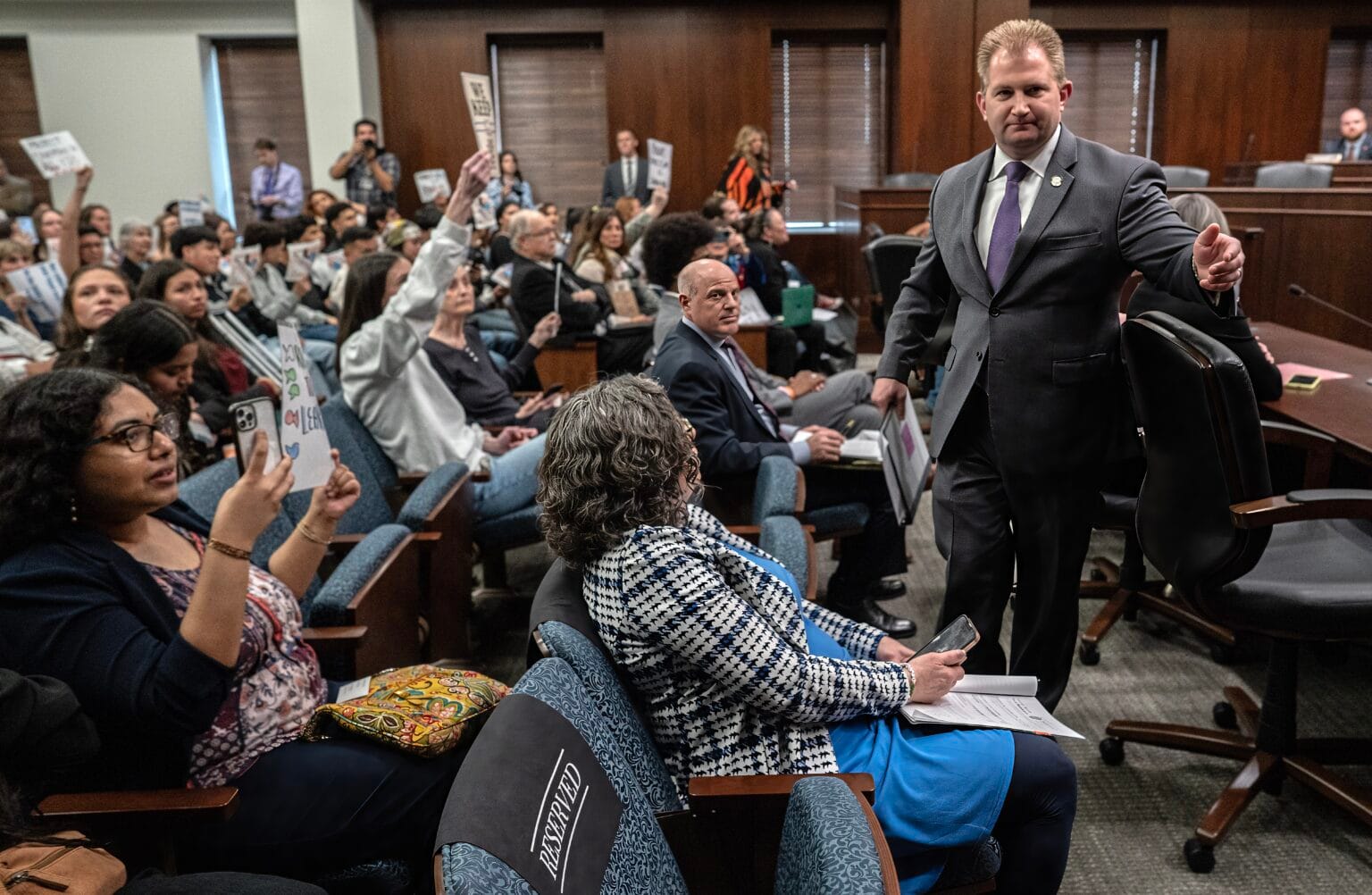
The case, widely referred to in legal circles as part of the broader “Supreme Court immigration schools” conflict, examines whether states can impose stricter limits on enrollment, benefits, or documentation requirements for students without legal immigration status, and how far federal protections extend under the Equal Protection Clause.
Supreme Court immigration schools: Legal battle over education access intensifies
At the center of the dispute is a tension between state-level immigration enforcement and federal constitutional protections for children. Advocates argue that restricting school access based on immigration status would undermine decades of precedent ensuring equal access to public education regardless of citizenship.
The modern legal framework traces back to landmark rulings that continue to influence today’s arguments. One of the most cited precedents is the Court’s 1982 decision in Plyler v. Doe, which held that states cannot deny free public education to undocumented children. That ruling established a foundational principle that education serves a critical public interest beyond immigration status.
Historical precedents shaping today’s arguments
Legal analysts note that the current Supreme Court debate does not exist in isolation. It is part of a broader judicial pattern addressing immigration enforcement and state authority.
In Arizona v. United States, the Court struck down key provisions of Arizona’s immigration law, reinforcing federal primacy in immigration regulation. That case is frequently cited in arguments warning against states adopting policies that may conflict with federal immigration frameworks.
Similarly, in challenges involving federal immigration policy such as Department of Homeland Security v. Regents of the University of California, the Court has addressed the limits of executive authority over immigration protections, including the Deferred Action for Childhood Arrivals (DACA) program.
What is at stake in the Supreme Court immigration schools dispute
Education advocates warn that a ruling allowing stricter state restrictions could lead to widespread inconsistencies across the country, where access to public schooling would vary depending on geography. Opponents argue that states should have broader authority to manage enrollment policies in response to immigration pressures.
Legal scholars say the Court’s decision could also influence related issues, including school funding, residency verification requirements, and access to extracurricular programs for undocumented students.
Broader implications for immigration and education policy
The case arrives amid growing national debate over immigration enforcement at the state level and renewed political scrutiny of federal immigration policies. A ruling in favor of stricter state authority could trigger new legislative efforts across multiple states, while a decision reinforcing federal protections would likely preserve the status quo established over decades of precedent.
Observers say the Court’s interpretation will likely shape not only immigration policy but also the broader constitutional understanding of equal protection in public education for years to come.
Conclusion
As the Supreme Court weighs arguments in this high-stakes dispute, the outcome of the “Supreme Court immigration schools” case could redefine the boundaries of education access in the United States, testing the balance between state authority and federal constitutional protections in one of the most closely watched legal battles of the term.


