

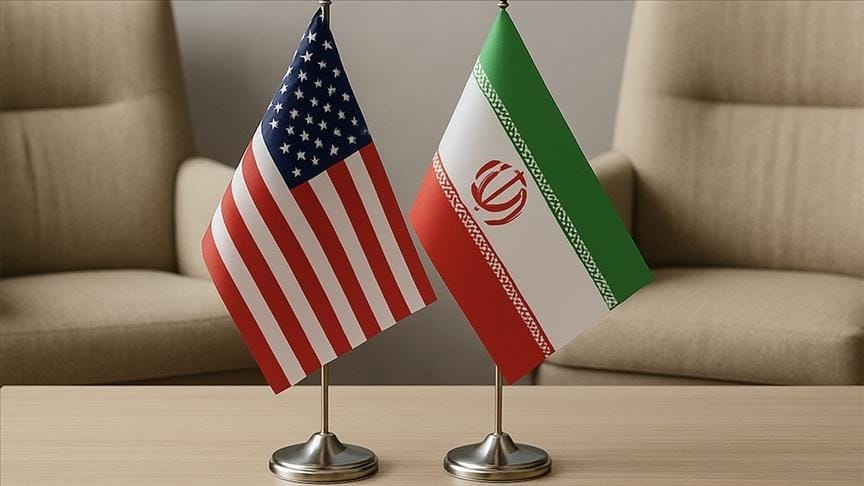
Islamabad is trying to turn regional diplomacy into a workable channel after a month of war disrupted shipping through the Strait of Hormuz, but the initiative remains fragile because Iran is rejecting key U.S. demands and warning against any American ground assault.
Why the US-Iran talks remain uncertain
In Reuters’ Monday report, Trump said the United States and Iran had been meeting “directly and indirectly,” and he sounded hopeful without saying a meeting was locked in. “I think we’ll make a deal with them, I’m pretty sure, but it’s possible we won’t,” he said, a line that captured the moment better than any formal statement.
That ambiguity matters. A negotiation cannot move from political signaling to real diplomacy until both governments settle the basics: who is empowered to speak, whether the contact is direct or indirect, and which issues come first. At the moment, the public language from Washington, Tehran and Islamabad suggests those basics are still in dispute.
The clearest public offer came in AP’s report from Islamabad, which quoted Dar as saying Pakistan would be “honored to host and facilitate meaningful talks” in the coming days. But the same report noted there was no immediate confirmation from Washington or Tehran and that Iranian officials had already rejected a U.S. 15-point “action list,” making it clear that a proposed venue is not the same thing as a settled agenda.
How Pakistan is trying to shape the talks
Reuters’ report on Sunday’s Islamabad meetings showed that Pakistan is trying to do more than pass messages. It brought together Turkey, Egypt and Saudi Arabia to discuss ending the war, and the talks also examined proposals tied to the Strait of Hormuz and broader shipping stability. That means Islamabad is attempting to connect ceasefire diplomacy, maritime security and U.S.-Iran contact in one process.
That broader role helps explain Pakistan’s urgency. It has working ties with both Tehran and Washington, direct exposure to any wider regional conflict and a strong economic interest in stopping a deeper shock to oil and trade routes. Those are real advantages, but they do not erase the hardest problem: the two sides still appear to want different things from the first round of any talks.
What earlier US-Iran talks say about this moment
The latest push did not come out of nowhere. A Reuters report from April 2025 showed the same structural problem early in the process: Trump said the United States and Iran were set for direct talks, while Tehran insisted the Oman channel would remain indirect. Even then, the mechanics of diplomacy were contested before the substance could move very far.
That pattern persisted. Reuters reported from Geneva in February 2026 that the two sides made progress in nuclear talks but still left without a breakthrough. Seen that way, Pakistan’s latest offer fits a familiar cycle: optimism, movement and public messaging, followed by disagreement over the terms that would make a durable deal possible.
If Pakistan succeeds in getting U.S. and Iranian officials into the same diplomatic process, that alone would be meaningful. But until both capitals confirm who is coming, how they plan to talk and what concessions are realistic, these crucial talks remain more possibility than schedule.


