Venetian Riviera estate arts hub redefines historic villa culture
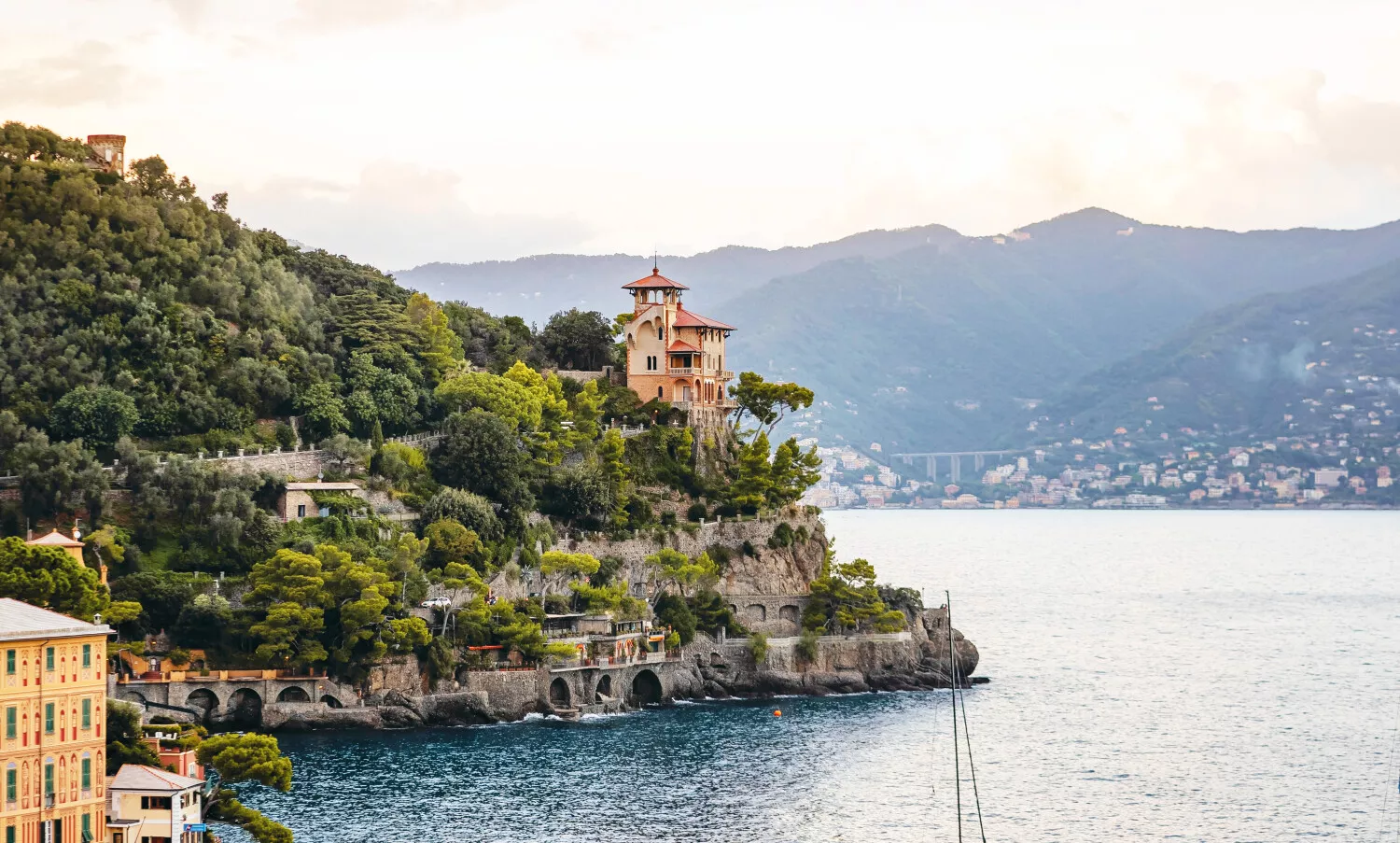
The project centers on two 16th-century villas in Mira on the Riviera del Brenta, a landscape historically shaped by aristocratic Venetian estates and agricultural innovation. Once symbols of private nobility and rural production, these properties are now being repositioned as collaborative spaces for international artists and institutions.
Similar transformations have recently reshaped the wider Venetian cultural ecosystem, where historic buildings are increasingly being adapted into experimental art venues. In Venice’s Cannaregio district, for example, Palazzo Diedo has been reimagined as a contemporary art center hosting exhibitions and residencies, underscoring the city’s expanding cultural infrastructure beyond traditional museum spaces. Palazzo Diedo’s transformation into a contemporary art hub
Historic architecture meets contemporary creative practice
The Venetian Riviera estate arts hub draws on a broader regional pattern of adaptive reuse, where historic structures are preserved not as static monuments but as active creative platforms. This approach mirrors other Venice-area projects such as Casa Sanlorenzo, which integrates restored architecture with contemporary exhibition programming and sustainability-focused design. Casa Sanlorenzo cultural space in Venice
On the Brenta Riviera itself, the estate sits within a landscape historically defined by grand villas built for both representation and productive agricultural estates, a dual function that continues today in a cultural rather than economic form. The region’s villas, once symbols of Venetian aristocratic power, are increasingly being reinterpreted as spaces for public engagement and artistic experimentation.
From aristocratic villas to global contemporary culture platforms
The redevelopment reflects a wider evolution across Venice and its lagoon, where private collectors, foundations, and cultural institutions are converting historic buildings into dynamic exhibition spaces. Projects such as AMA Venezia and other independent art foundations have similarly turned former industrial or residential structures into venues for global contemporary art discourse. Venice contemporary art foundation transformations
The Venetian Riviera estate initiative extends this trajectory beyond the city center, positioning the Brenta corridor as a parallel cultural axis. It combines residency programs, curated exhibitions, and site-specific installations designed to encourage long-term collaboration between artists and institutions.
Venice Biennale era strengthens regional cultural expansion
The timing aligns with Venice’s continued role as a global contemporary art capital anchored by the Venice Biennale, which has encouraged satellite exhibitions across palaces, churches, and private foundations throughout the lagoon. This decentralization has helped reinforce Venice’s identity as a city-wide exhibition platform rather than a single-event destination. Venice’s evolving contemporary art ecosystem
Within this context, the Venetian Riviera estate arts hub is positioned as a permanent, year-round cultural institution rather than a temporary exhibition venue, aiming to bridge historical preservation with contemporary cultural production.
Conclusion: a new model for cultural regeneration
By transforming historic villas into an active arts hub, the project reflects a broader European shift toward cultural regeneration through adaptive reuse. On the Venetian Riviera, this means reimagining aristocratic estates not as relics of the past but as evolving platforms for global artistic exchange, linking heritage with the future of contemporary culture.