

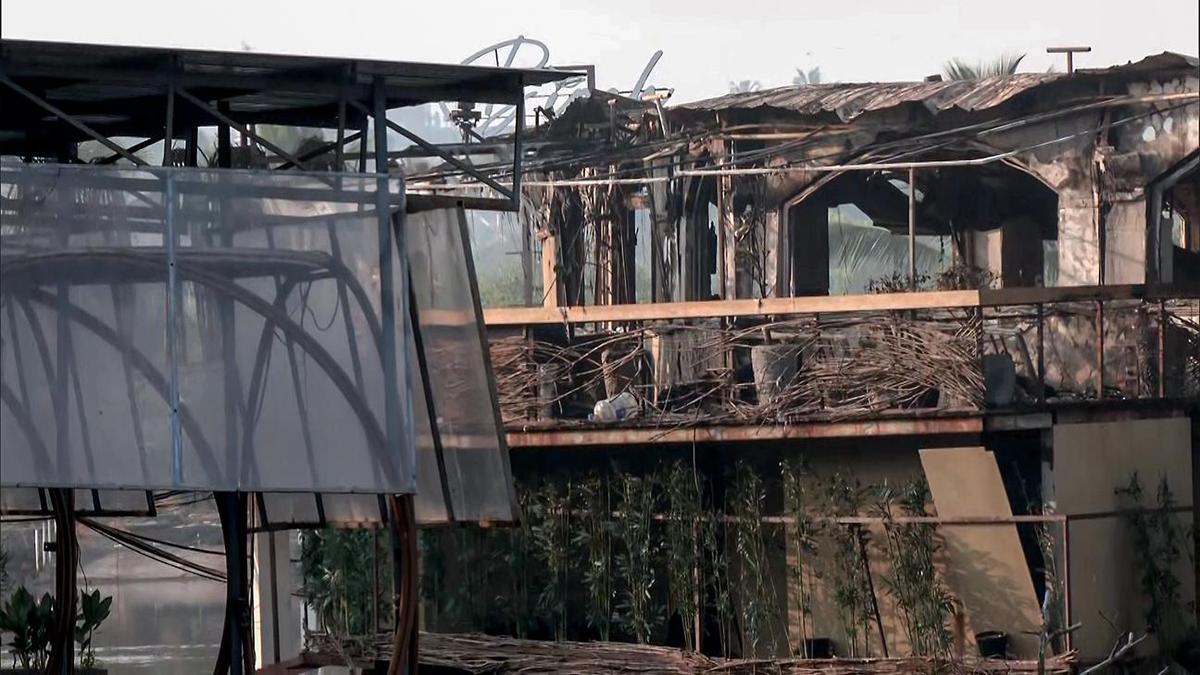
PANAJI, India — A fire that tore through the Birch by Romeo Lane nightclub in Arpora, North Goa, late Dec. 6, 2025, killed 25 people and injured at least six others, according to authorities. The aftermath quickly shifted from emergency response to a wider examination of permits, occupancy controls, exits and whether the venue met the fire-safety standards required to operate.
Initial reporting by Reuters said Goa ordered an investigation the next day, announced compensation for victims and said the injured were in stable condition. Those first measures were followed by official safety directives and a much broader criminal case.
Goa nightclub fire: what happened after the blaze
In an official Goa government order creating a magisterial inquiry committee, the state said the panel would reconstruct the sequence of events, verify statutory compliances, fix accountability and recommend corrective steps. The four-member committee was chaired by North Goa Collector and District Magistrate Ankit Yadav and was given authority to call for records and summon those involved.
Goa also followed with a state advisory for nightclubs, bars and event venues requiring establishments to keep valid fire clearances, display maximum capacity, maintain alarms and extinguishers, keep emergency exits unobstructed, train staff and complete internal safety audits within seven days. The order said non-compliance could lead to closures, licence suspensions or prosecution.
Why the Goa nightclub fire probe keeps growing
The criminal case has since expanded far beyond the first night’s headlines. As The Indian Express reported when police filed a 4,150-page chargesheet on Feb. 26, 2026, investigators examined 305 witnesses and named 13 accused, including the club’s owners. The filing pointed to alleged failures involving licences, safety equipment and venue management, suggesting prosecutors were building a case around both the blaze itself and the system that allowed the club to keep operating.
The latest court developments show that the legal fallout is still moving. According to The Indian Express’s April 1 report on the bail hearing, brothers Saurabh and Gaurav Luthra were granted bail in the fire case but were not immediately released because they remained in custody in a separate alleged forgery case tied to no-objection certificate documents and other permissions linked to the club.
Older coverage shows how the Goa nightclub fire story kept expanding
The scope of the case widened within days. Reuters reported on Dec. 11, 2025, that the Luthra brothers had been detained in Thailand after leaving India, a sign that the investigation had already moved beyond routine local enforcement.
Days later, The Indian Express reported on the Bombay High Court at Goa’s intervention, with the court taking suo motu cognisance of illegal commercial operations and saying accountability had to be fixed to prevent a repeat. That shifted the story from a single-venue disaster to a broader question of how unsafe structures, disputed licences and weak enforcement can persist in one of India’s biggest tourism markets.
The case now stands as both a mass-casualty prosecution and a test of whether enforcement will outlast the headlines. For Goa’s hospitality sector, the nightclub fire is no longer only about one night in Arpora; it is about whether the state can turn a tragedy into lasting fire-safety compliance before another venue is forced into the same reckoning.


