

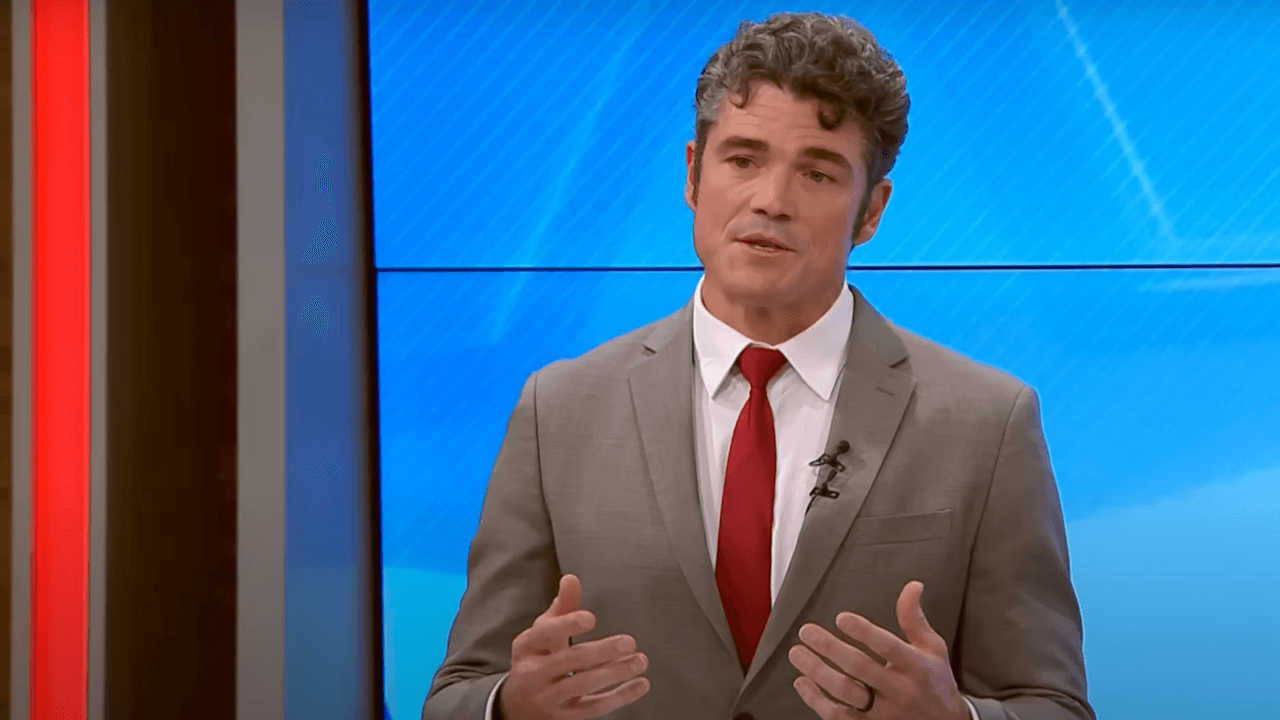
WASHINGTON — Joe Kent resigned Tuesday as director of the National Counterterrorism Center, becoming the first senior Trump administration official to quit over the Iran war and turning a policy dispute into the sharpest public national security split inside President Donald Trump’s orbit. Kent said he could not back a conflict he argued began without an imminent Iranian threat, while Trump and the White House rejected that account, March 17, 2026.
Joe Kent breaks with Trump over Iran war
In a public resignation letter detailed by Reuters, Kent said he could not “in good conscience” support the war. He argued Iran posed no imminent threat and said the United States had entered the fight under pressure from Israel and its American lobby, an accusation the White House called false.
ABC News reported that Trump called Kent “weak on security” and said “it’s a good thing that he’s out,” while White House press secretary Karoline Leavitt said Trump had strong evidence that Iran was preparing to strike first. ABC also reported that Jewish groups and other critics said Kent’s wording echoed antisemitic tropes, adding another layer of controversy to an already stark policy break.
The resignation matters because Kent was not a fringe critic speaking from outside government. When ODNI announced his arrival last July, it cast him as a veteran of 11 combat deployments who would lead the government’s counterterrorism mission after years in Army special operations and the CIA.
His confirmation was narrow from the start. The Senate approved Kent 52-44, a sign that his record and worldview were already dividing lawmakers well before the Iran war pushed him into open conflict with Trump.
How Joe Kent’s rise made the split more striking
Kent had already surfaced repeatedly in major national security storylines before taking the job. In March 2025, Reuters reported he was on the Signal chain in which top Trump officials discussed Yemen strike plans even though he had not yet been Senate-confirmed to run NCTC, underscoring how deeply he had already moved into the administration’s inner circle.
Two months later, Reuters reported Kent pushed for a “rethink” of an intelligence assessment that conflicted with the administration’s claims about Venezuela and Tren de Aragua. That episode deepened concerns among critics that Kent blurred the line between analysis and politics, making his current break with Trump more consequential than a routine resignation.
What comes next
Kent’s exit does not by itself change U.S. policy toward Iran, and Trump has shown no sign of backing away from his claim that the war was justified. But it gives public form to a deeper split inside the president’s coalition between hawks pressing the case for force and America First loyalists who fear another open-ended Middle East war.
That is why Kent’s resignation lands as more than a personnel move. It is a warning from inside Trump’s own camp that the Iran war could become a larger political liability if the conflict widens, casualties grow or the administration fails to prove the imminent threat it says triggered the fight.


