

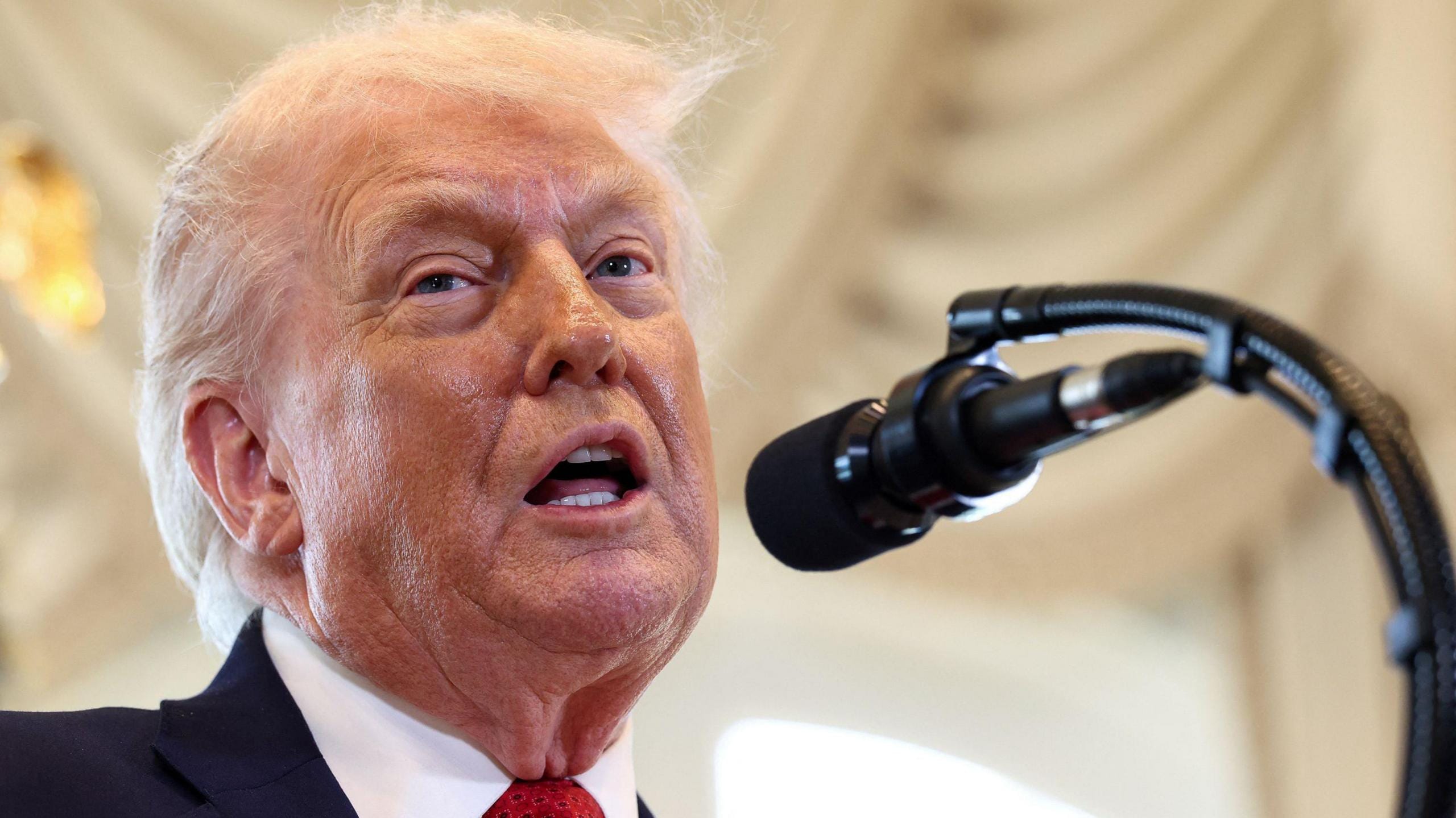
DAVOS, Switzerland — U.S. Treasury Secretary Scott Bessent urged calm at the World Economic Forum as European leaders weighed retaliatory tariffs covering about 93 billion euros’ worth of U.S. imports in the widening Trump Greenland dispute, Jan. 20, 2026. He said the market and political reaction was spiraling toward “hysteria” after President Donald Trump announced new duties on European allies that oppose his drive to acquire Greenland.
EU leaders are expected to take up potential countermeasures at an emergency summit in Brussels on Thursday, including restarting a suspended tariff package that could automatically kick in Feb. 6 if talks fail. In Davos, Bessent said it was too early to assume the standoff would turn into a prolonged trade war, telling reporters: “Calm down the hysteria. Take a deep breath.”
Trump Greenland tariffs put EU retaliation back on the table
The tariff threat has revived a familiar cycle in transatlantic disputes: escalating duties, then negotiations under a tight clock. According to Reuters reporting on Bessent’s remarks, the EU’s 93 billion-euro list is among the options being discussed as leaders argue Trump’s new measures violate last year’s trade arrangement.
Finance ministers in Germany and France signaled Europe is preparing a unified response. German Finance Minister Lars Klingbeil said, “Our hand is extended but we are not prepared to be blackmailed,” while his French counterpart, Roland Lescure, called “blackmail between friends” unacceptable. Reuters also reported that leaders are weighing the bloc’s untested Anti-Coercion Instrument alongside tariffs, a step that could target services where the United States runs a surplus, including parts of the digital economy (Reuters: Europe “will not be blackmailed,” ministers say).
How the standoff escalated
The Trump Greenland push has expanded beyond rhetoric into policy leverage: tariffs tied directly to allies’ positions on the island’s future. Earlier this month, the White House said Trump and advisers were considering multiple paths to acquire Greenland and did not rule out force, calling the military “always an option” for the commander in chief (White House statement on options to acquire Greenland). Greenland and Denmark have repeatedly said the territory is not for sale and does not want to become part of the United States.
A familiar Trump Greenland storyline
The episode echoes Trump’s first-term attempt to explore buying Greenland. In August 2019, he canceled a Denmark visit after the Danish prime minister rejected the idea, according to a 2019 Reuters account of the cancellation. The backlash in Denmark was swift and public, with lawmakers and former officials describing the move as disruptive to allied relations, as chronicled by PBS NewsHour’s contemporaneous coverage.
For now, both sides are signaling they prefer talks to escalation. But with the EU’s tariff package date looming and Trump linking trade pressure to the Trump Greenland objective, diplomats and markets will be watching whether Thursday’s Brussels meeting produces a negotiating track — or a new round of duties.


