

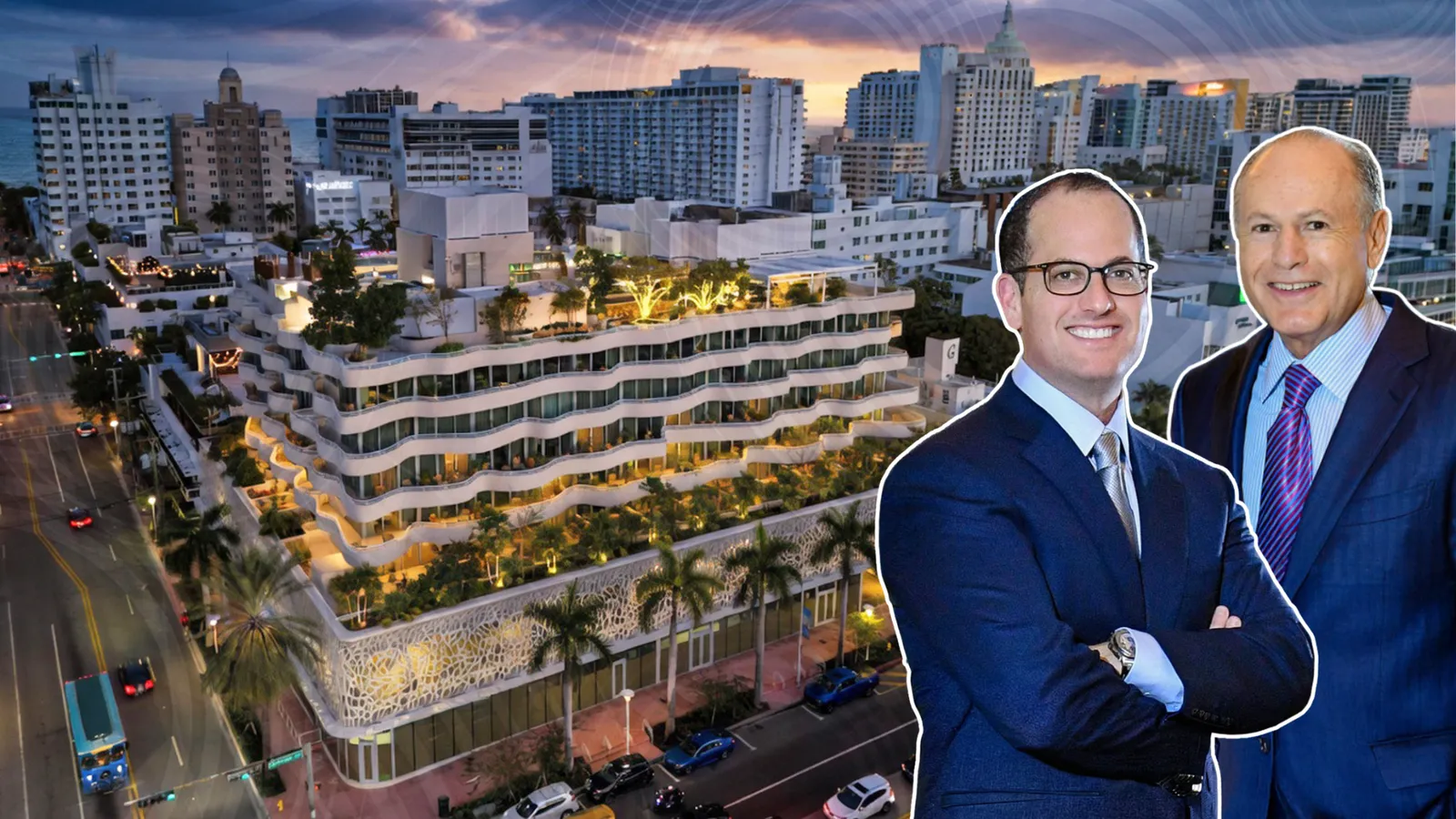
UNFRAMED Miami Hotel reshapes luxury hospitality in Miami Beach
The newly opened UNFRAMED Miami Hotel sits at the center of Miami Beach’s cultural district and is already being recognized as one of the most design-forward hotel openings in the city in years. Developed by Finvarb Group and JAJ Investment Group, the property features 149 rooms and suites, rooftop experiences, and a sculptural architectural identity inspired by the French Riviera and Miami’s coastal energy.
Designed by architect Rudy Ricciotti with interiors by Gulla Jónsdóttir, the hotel emphasizes fluid geometry, natural textures, and indoor-outdoor continuity. According to early coverage of the project, the concept aims to “redefine hospitality at the intersection of art, design, and effortless chic,” positioning the property as both a lifestyle destination and a cultural landmark.
The hotel’s design language includes curved white façades, tactile stonework, and light-filled interiors that echo Miami’s tropical environment while maintaining a minimalist European aesthetic. The result is a space that prioritizes emotional experience as much as physical comfort.
UNFRAMED Miami Hotel and the evolution of Miami’s design hotel scene
UNFRAMED Miami Hotel does not exist in isolation. Its arrival builds on a decade-long transformation of Miami Beach into a global hub for design-driven hospitality. Earlier reporting on the project noted its role as “the first premium, lifestyle property to open in the last decade on Washington Avenue,” signaling a broader redevelopment of the area.
The hotel also expands on a growing trend in Miami’s luxury sector, where architecture and art have become central to brand identity rather than secondary features. The integration of rooftop social spaces, curated dining concepts, and gallery-like interiors reflects a shift toward experiential stays rather than traditional accommodation models.
As part of Marriott’s Autograph Collection, UNFRAMED aligns with a portfolio known for independent luxury properties that emphasize individuality and design storytelling.
Earlier previews of the project highlighted its ambition to blend “European modernism with Miami’s cultural rhythm,” a concept that has been steadily shaping expectations since its development was first announced.
- Early industry preview of UNFRAMED Miami Hotel’s design-forward concept
- Coverage of UNFRAMED Miami Hotel’s opening and architectural vision
- Development insights on UNFRAMED Miami Hotel’s rooftop and lifestyle concepts
Gulla Jónsdóttir’s design vision defines UNFRAMED Miami Hotel identity
At the heart of the project is Gulla Jónsdóttir’s signature design approach, which emphasizes organic flow, sculptural interiors, and emotional spatial storytelling. Her work at UNFRAMED Miami Hotel integrates soft architectural curves, layered textures, and natural light to create a continuous dialogue between interior spaces and the surrounding Miami landscape.
Public descriptions of the hotel’s interiors highlight materials such as brushed metal, smooth stone, and custom furnishings designed to evoke both warmth and refinement. The lobby, atrium courtyard, and guest rooms are structured to feel like interconnected galleries rather than traditional hotel corridors.
This design philosophy extends to the rooftop, where leisure spaces merge with panoramic views of Miami Beach, reinforcing the hotel’s emphasis on lifestyle-driven architecture.
UNFRAMED Miami Hotel positions itself as a cultural destination
Beyond its physical design, UNFRAMED Miami Hotel is positioning itself as a cultural hub within Miami Beach’s evolving hospitality landscape. With curated programming, art-forward interiors, and a focus on creative collaboration, the hotel aims to attract travelers seeking immersive, design-centric experiences.
Industry observers note that this approach reflects a wider shift in luxury travel, where guests increasingly expect hotels to function as lifestyle ecosystems rather than simple accommodations. In Miami, where art, fashion, and architecture intersect, UNFRAMED’s arrival reinforces the city’s status as a global design capital.


