

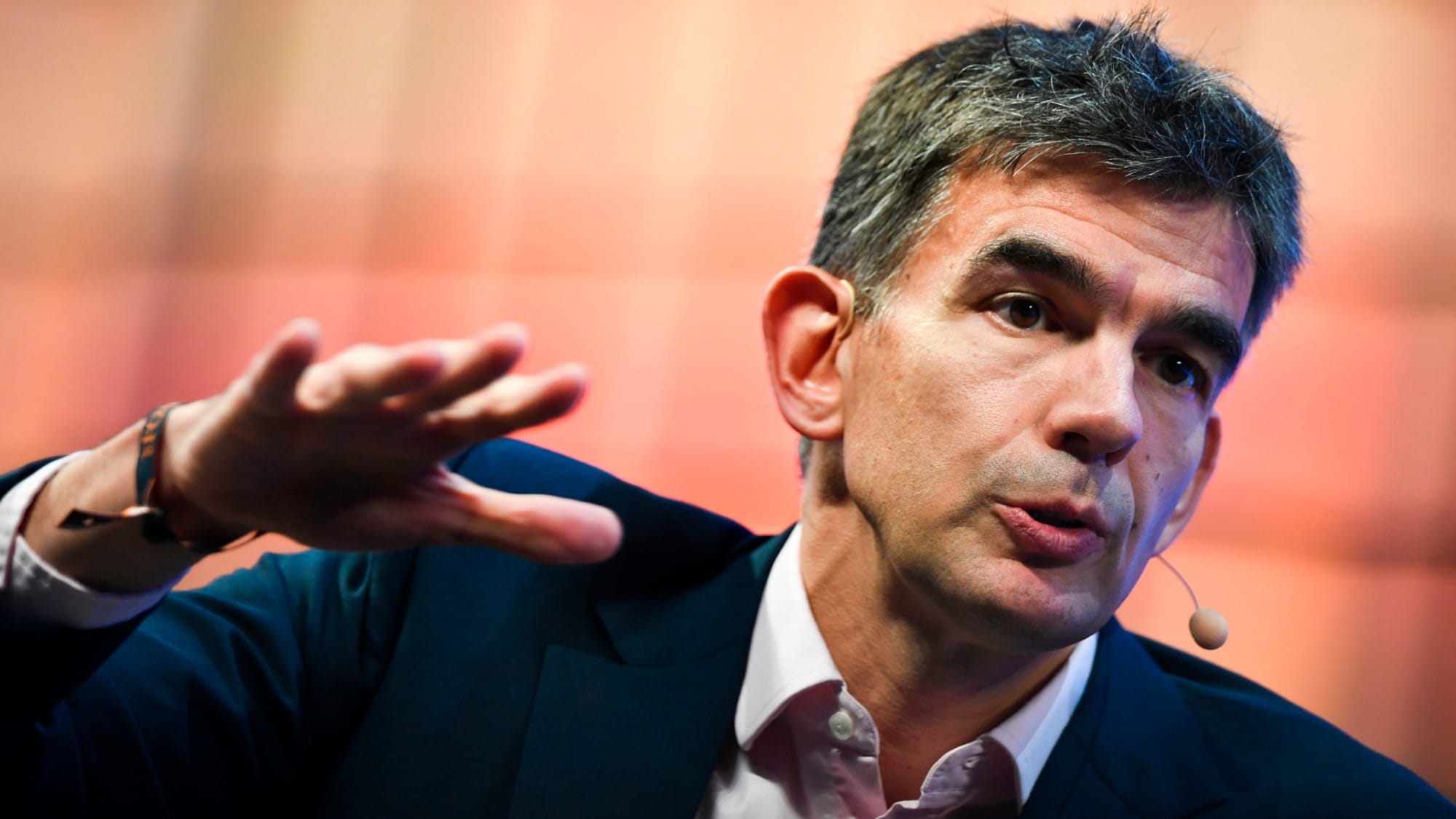
LONDON — Matt Brittin, the former Google executive who led the company’s Europe, Middle East and Africa business, was named the BBC’s next director-general on Wednesday, placing a technology-led outsider atop Britain’s public broadcaster as it heads into charter talks, funding reform and a tougher fight for younger audiences, March 25, 2026. The appointment comes after a leadership crisis and at a moment when ministers, regulators and Parliament are all pressing the BBC to prove it can stay universal, trusted and financially sustainable in a fast-changing media market.
Brittin, 57, is due to take over on May 18 as the BBC’s chief executive officer and editor-in-chief, with the corporation saying he will appoint a deputy director-general. In Reuters’ report on the appointment, BBC Chair Samir Shah said the broadcaster needed “radical reform,” while Brittin called this “a moment of real risk, yet also real opportunity.”
He spent nearly two decades at Google and rose to president for Europe, Middle East and Africa, making him a striking choice for a job that has traditionally gone to leaders with deeper roots in broadcasting and newsroom management. That difference is also the point: the BBC board is betting that platform, product and audience expertise matter as much as editorial pedigree in the next phase of the corporation’s life.
Matt Brittin inherits a broadcaster already in review
The biggest structural test is money. Under the government’s Charter Review, ministers are openly weighing licence-fee reform, updated concessions and ways for the BBC to generate more commercial revenue before the current charter expires on Dec. 31, 2027.
At the same time, the annual TV licence fee is due to rise to £180 from April 1, 2026, giving the BBC short-term certainty but doing little to settle the larger argument over what should replace, preserve or reshape the model after 2027.
That debate is happening from a base of strength, but not comfort. Ofcom’s latest annual report on the BBC said 83% of UK adults used BBC services weekly in 2024/25 and that the broadcaster remained the country’s most popular source of news, but it also warned management to act more swiftly and transparently after editorial failures and to keep pushing for stronger engagement with younger audiences.
Parliament has been just as blunt. In a recent Public Accounts Committee warning, MPs said licence-fee evasion and households not buying a licence represented more than £1.1 billion in potential lost income in 2024/25, while younger audiences were increasingly choosing other providers.
Why Matt Brittin’s digital background appealed now
Brittin arrives at a broadcaster that still dominates much of British public life, but no longer controls the habits that once made its funding model easy to defend. The BBC must become easier to find on connected TVs, third-party platforms and digital products without weakening the public-service compact that still underpins the licence fee.
That leaves Brittin with a narrow path: move faster, look more modern and find fresh revenue, while avoiding the impression that the BBC is simply trying to imitate the global platforms that have helped squeeze it. The board’s wager is that someone shaped by scale, technology and audience behavior can push that transition harder than a conventional insider could.
Matt Brittin and the longer arc of BBC pressure
The appointment also fits a much longer story than one board decision. In November 2024, ministers said they would review the BBC’s long-term funding as live viewing fell and pressure grew to rethink the licence fee in the streaming era.
By June 2025, the BBC had started testing a paid U.S. news subscription model as part of a broader push to diversify income beyond the UK public-service system.
Then the crisis became immediate and personal. In November 2025, Tim Davie and BBC News chief Deborah Turness resigned after criticism over the editing of Donald Trump’s Jan. 6 speech, turning a long-running argument about trust and governance into a leadership vacuum.
Brittin now has to show that digital fluency can be translated into institutional stability. The BBC remains one of Britain’s most-used media brands and one of its most scrutinized institutions. His success will be judged not only by whether he modernizes it, but by whether he can do that without loosening the public promise that made the BBC worth funding in the first place.


